
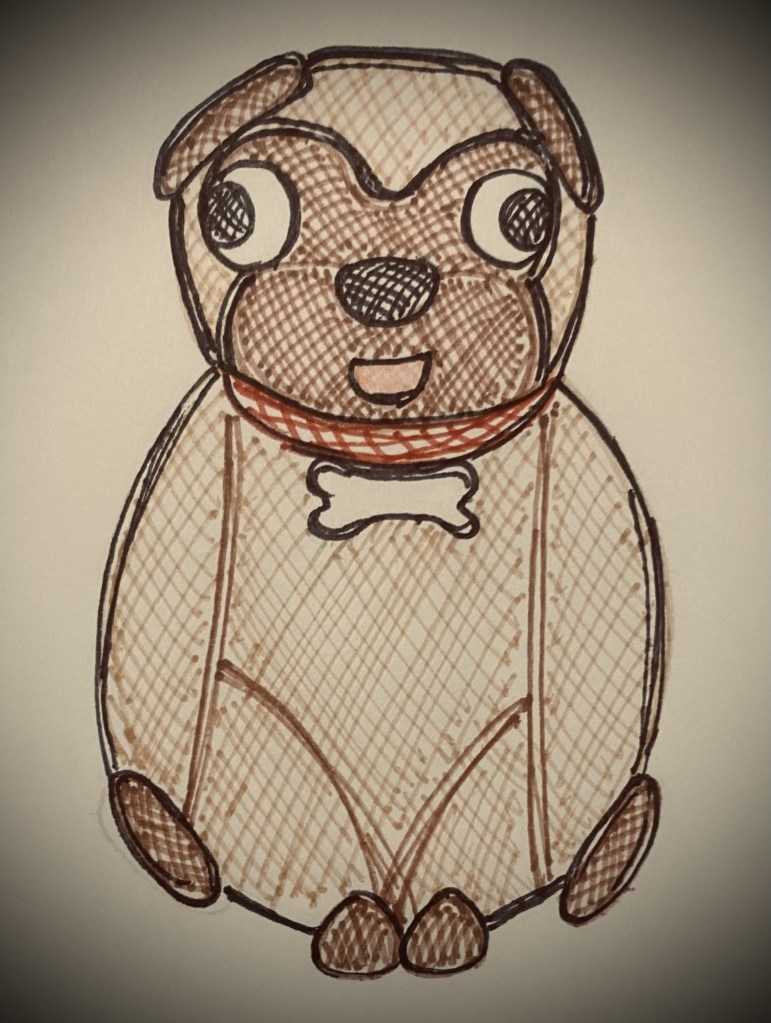
How do you think your dog feels when you tell him to sit? My dog let’s out little whimpers, looking up with eyes wide, body tense and twitching at any sense of movement from me. I’m guessing he feels pretty uncomfortable. But he sits with the discomfort, knowing that something good will result.
We put ourselves through some pretty intense discomfort when we engage in anorexic behaviours. Battling hunger cues doesn’t feel particularly joyful. Hunger is supposed to feel unpleasant, that’s the whole point. Hunger cues tell us to eat, which if we don’t we will die, so I guess they need to feel somewhat disagreeable for survival purposes.
The weakness, fatigue, headaches and brain fog add to the misery but still we accept them as par for the course. Feeling freezing constantly with numb fingers and toes is hardly a delight.
I once ran for the excitement of exploring new routes, sometimes getting lost as part of the fun, appreciating the beauty of nature around me. Somehow running became a chore; the same route repeated daily at 4am. One foot monotonously in front of the other to get the job done and to earn my breakfast. The feelings experienced were not pleasurable.
The impact of anorexia on digestive function one way or another results in discomfort.
All in all, the physical feelings associated with anorexia are not very nice. But we endure them. Sure, we get that short term sense of satisfaction and the endorphin hit from our achievements but let’s be honest, the outcome of sitting with these uncomfortable feelings is ultimately negative. It is potentially death.
Recovery likewise is uncomfortable. It is a roller-coaster of emotions and physical sensations. We have to eat whilst fearful of food; whilst our brains are instinctively telling us not to. Our sympathetic nervous systems are activated and we have to eat whilst experiencing high levels of anxiety and when we would rather literally run away in a state of panic.
We have to resist the urge to move. This means acting against the thoughts compelling us to exercise. This is hard but it is the only way our brains will learn that there is no need to flee. Every time we literally run with the urge to move, we are confirming to our brains that there is something to be scared of.
I have experienced phases during recovery where I have only been able to describe my feelings as ‘sad’. This is grief. I am grieving the version of me that I am saying goodbye to. The version of me that I worked so hard to achieve and made me feel successful and worthy. Grief hurts.
Just when we start to come round to the idea that food tastes good and have to admit we are enjoying the chocolate digestives, we start to weight restore. Yet the part of our brain that fears weight gain hasn’t caught up and so we look at our reflection in disgust and convince ourselves that we can actually feel the ‘fat’ cells building up. More pain to endure.
The outcome of sitting with the uncomfortable feelings experienced during the recovery process however, in contrast to those felt whilst submitting to anorexia, is positive. Just like it is for the sitting dog when he is tossed his treat. We rediscover what is it is live. We feel alive. We have energy. We have time to indulge in activities which fill our hearts, not destroy them. We can laugh and feel joy. Our heads are not preoccupied with food and exhausted by the persistent conflicting thoughts. We reignite social connections and realise how much we’ve missed them.
So yes, recovery is uncomfortable but so is anorexia. Recovery can be a short process whereas the unpleasant feelings experienced with anorexia continue for as long as we chose to let them. It is a choice. If we are going to feel uncomfortable with whichever path we choose, we might as well see a positive end result. Be the sitting dog who endures the pain knowing good things are coming.
 discoveringchocolatedigestives.blog
Leave a comment